

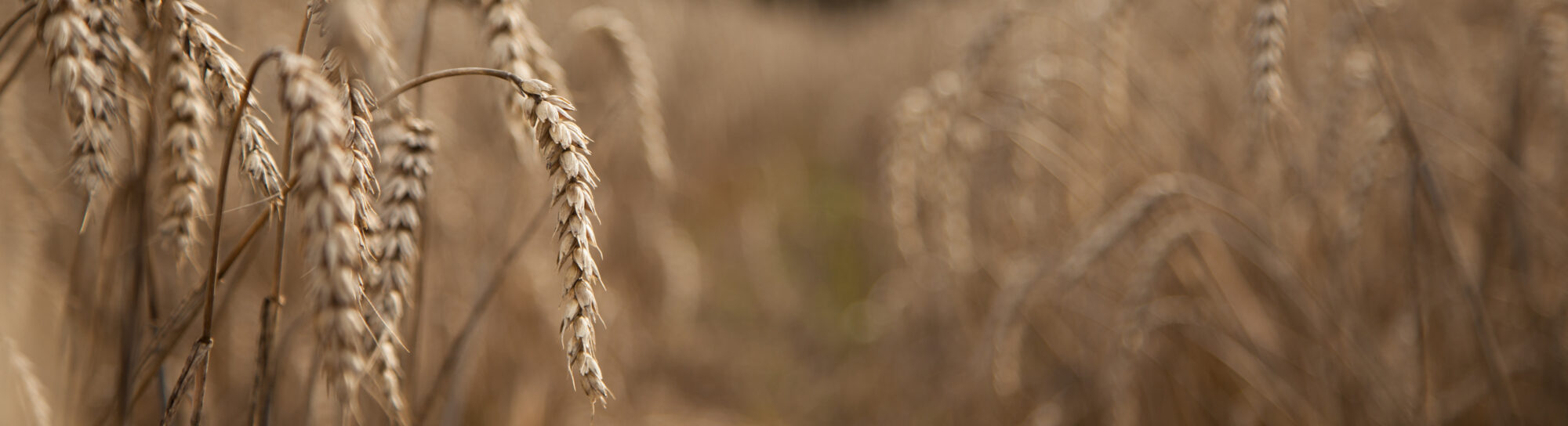
Downgraded wheat and infested fruit
For a number of crops, this past summer’s bad weather has led to poor harvests. Wheat has been particularly affected. As much as 90 percent of the harvest, depending on the region, has had to be downgraded. Fruit and vegetable producers have also felt the impact. A lack of sunshine, constant rain and colossal hailstorms have led to total losses in some cases. The only thing that might bring some relief would be a “golden autumn.”
Published: 15.09.2021, 14:53
It’s not a happy time for Switzerland’s farmers. Few can remember a wheat year as bad as this one. In central Switzerland, hailstorms destroyed a significant amount of the harvest. But yields were meager even in places where there was no hail. The newspaper “BauernZeitung” reported that in those places, average yields range from 50 to 60 dt/ha. Approximately one-third less wheat has been delivered to collection points, relative to previous years. In some regions up to 90 percent of the harvest had to be downgraded because of poor quality, meaning that the wheat will be used only for feed. Two reasons for downgrading were equally important: inadequate hectoliter weight (a common quality measure) and premature germination. Wheat also had to be downgraded because of infestation with mycotoxins (carcinogenic fungus).
Insufficient sunlight for fruit and vegetables
Wheat producers were not the only ones to be affected by the summer’s bad weather; vegetable and fruit farmers, too, suffered from these adverse conditions, as severe rain and hail caused massive damage to outdoor cultivation. There was too little sunlight for cucumbers, tomatoes and eggplants growing in greenhouses. According to the newspaper “St. Galler Tageblatt,” roughly 50 percent of the lettuce crop was lost between June and August, relative to its potential market volume. That figure was between 30 and 40 percent for zucchini, broccoli and cauliflower.
Persistently wet conditions in May were especially problematic for fruit growers. Infestation with scabs poses a threat to apples, while cherries are vulnerable to the Monilinia fungus. There has been a dramatic increase in efforts to protect harvests. Yet a lack of sunshine is almost more problematic than wet conditions – for fruit farmers, too. Too-low temperatures and insufficient light mean smaller and lower-quality harvests. As the “St. Galler Tageblatt” points out, unless we have a “golden autumn,” there will be a shortage of root vegetables, and imports will have to fill the gap. This would be all the more regrettable, given that carrots are the most popular vegetable in Switzerland; per-capita consumption amounts to 9 kilograms per year.
Poor harvest year 2021
The year 2021 will leave its mark on practically all crops in the form of harvest losses and total failures. Particularly affected are viticulture and fruit growing, where severe hailstorms destroyed most of the fruit. However, added to this was waterlogging of fields and strong pressures from plant diseases. Powdery mildew and late blight were able to spread particularly well due to the damp and wet conditions. In order to protect potatoes to some extent from late blight, farmers were dependent on effective pesticides. Without these means, there would probably have been total failures in the potato harvest as well. 150 years ago, the fungal disease destroyed entire annual crops and led to terrible famines that claimed a million lives in Ireland (out of a population of 8 million at the time) and triggered mass emigration. The wet summer of 2021 would probably also have led to famine in previous generations - when no effective pesticides were available and imports were not possible. This was taking place in a summer when two popular initiatives wanted to ban the use of pesticides or financially reward non-usage and thus wastage of food on the field. A current study by Agroscope once again confirms: A total renunciation of pesticides would result in crop failures of up to 47 percent. That means: More imports where imports are possible. Where no replacement can be obtained, second-class goods come onto the shelves or shelves remain empty. For consumers, scarcity also means higher prices.
Sources
BauernZeitung, August 31, 2021
St. Galler Tagblatt, September 1, 2021 (only available in print)
Related articles
Anti-Food Waste Banana
British biotech company Tropic has developed a banana using CRISPR/Cas gene editing that no longer turns brown. In the US, it is already on the market, while in England, it has passed the decisive regulatory hurdle. The same technology could also help save the world's most popular banana from extinction.
Asian Tiger Mosquito: Federal Government Implements Action Plan – But Insecticides Remain Taboo
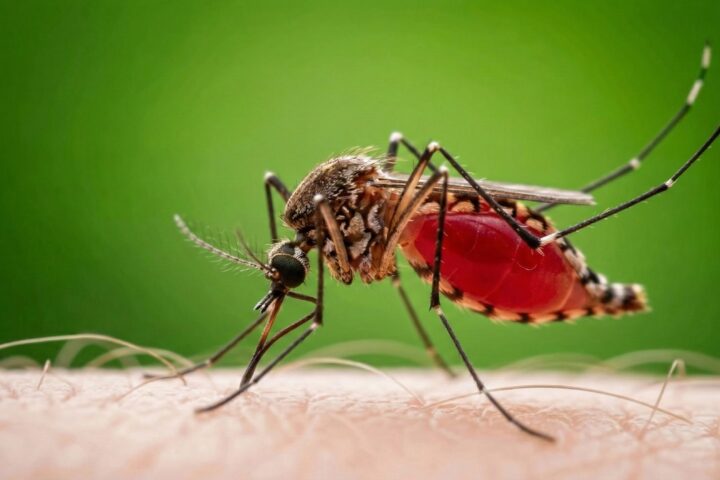
Invasive species such as the Asian tiger mosquito are increasingly spreading across Switzerland. The federal government is sounding the alarm and wants to put a stop to the mosquito with a national action plan. However, the most effective measure is being left out: insecticides.
Record Heat 2026: Why Agriculture Needs Resilient Crop Varieties
Heat, drought, and hail took a heavy toll on Swiss farmers in 2026. In an interview with the NZZ, Adrian Aebi, head of Switzerland's largest crop insurer, warns: "If we carry on like this, agriculture will bleed dry." Looking to the future, there is an urgent need for resilient crop varieties that can withstand heat and dry conditions.
Record low potato harvest: Why is the Federal Council standing still?
The hot summer of 2026 caused the lowest potato harvest in Switzerland since records began a century ago. To secure domestic supply and build climate resilience, the agricultural sector is calling for swift access to new breeding technologies, which are already being authorized in the European Union. However, the Federal Council has delayed the corresponding draft legislation until 2027.