

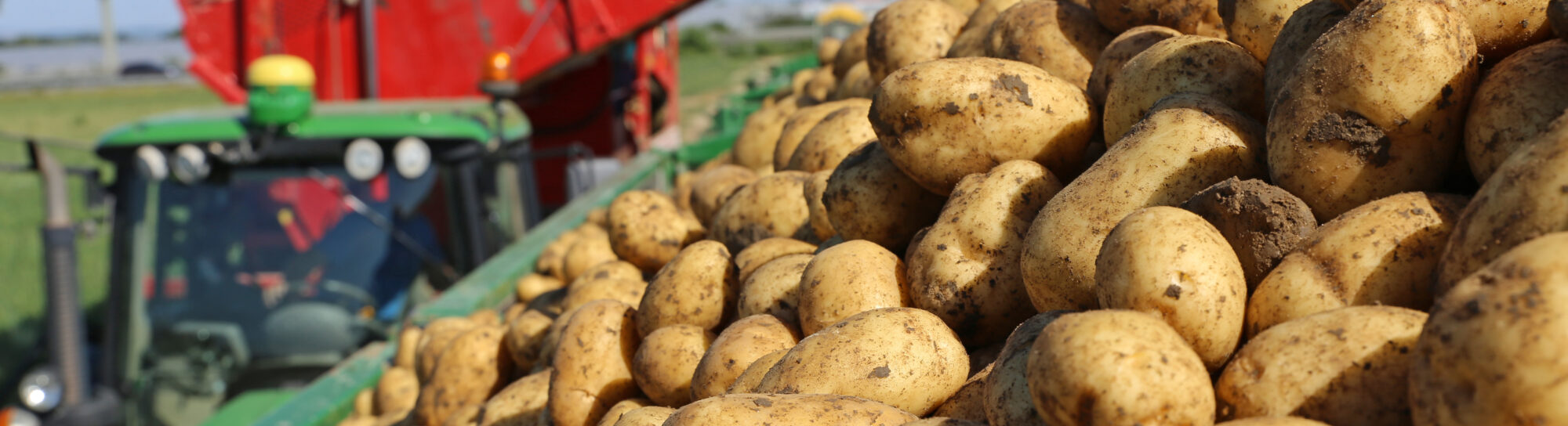
Potato farmers want robust varieties
As the use of crop protection has been massively reduced, the potato industry now wants to focus on more robust varieties. The industry has even concluded a target agreement with the federal government. This is ambitious: By 2040, robust varieties are to grow on 80% of potato cultivation areas.
Published: 24.04.2024, 08:14 | Updated: 27.05.2024, 14:42
The reduction pathway for crop protection is a challenge for the potato industry. It calls for a 50 per cent reduction in the use of crop protection by 2027, with vegetable cultivation being particularly affected. However, agriculture is also dependent on crop protection in potato cultivation - «both in conventional cultivation and in organic production», writes Swisspatat in a press release.
In the «Bauern Zeitung», vegetable gardener Thomas Wyssa from Galmiz commented on the situation: «Potato producers are already reducing the area under cultivation or even giving up altogether». And this is unlikely to change any time soon: Because after several very difficult growing years for potatoes, seed potatoes are now also in short supply throughout Europe.
80% of the areas should be robust varieties
In order to maintain potato production despite this, the potato industry wants to focus more on robust varieties in future. As reported by «Schweizer Bauer», the industry, together with the Federal Office for Agriculture (BWL), has set itself the goal of cultivating robust varieties on 25 per cent of the land by 2028. By 2040, it should even be 80 per cent. «The entire potato sector, including production, trade and the processing industry, is behind the agreement», writes Swisspatat.
Robust varieties are, for example, resistant to late blight, which can result in major yield losses or even total failure when infected, or at least have a certain tolerance. This should make it possible to reduce the use of fungicides. This is highly desirable because the copper used to treat late blight does not degrade but accumulates in the soil.
New varieties give hope
The results of a research project carried out by Swisspatat and Agroscope confirm this: the number of fungicide applications on robust potato varieties can be reduced by over 50 per cent. «Robust potato varieties, together with tools such as forecasting models, can make an important contribution to reducing the use of plant protection products», according to the Swisspatat press release.
However, there is one problem: breeding robust varieties takes an enormous amount of time. According to Swisspatat, it takes 12 to 15 years for a newly bred potato variety to reach the market.
One of the reasons for this is the numerous requirements that new varieties have to fulfil. These include conditions such as heat and drought tolerance, storability, processability into potato products, susceptibility to viruses during propagation and resistance to diseases.
The media reports ignore the fact that new breeding technologies such as genome editing also represent an opportunity to breed more robust varieties and increase yields. These massively accelerate the breeding process. The Swiss Farmers' Union has also recognised the potential of new breeding technologies in view of the massive reduction in plant protection products and is open to them.
Kindly note:
We, a non-native editorial team value clear and faultless communication. At times we have to prioritize speed over perfection, utilizing tools, that are still learning.
We are deepL sorry for any observed stylistic or spelling errors.
Related articles
Using CRISPR/Cas9 to fight potato blight
The Nobel Prize-winning CRISPR/Cas method now makes it possible to breed resistant varieties and may reduce the use of pesticides in agriculture.
Will this field trial revolutionise barley production?
Switzerland's first field trial using plants from new breeding technologies will start this spring in Zurich. Specifically, the aim is to breed a spring barley that produces more grains per ear. If the trial works, the technology is likely to be of great interest to Swiss agriculture.
Precision breeding – England allows cultivation of gene-edited crops
A regulatory change in England allows the commercial use of new breeding technologies. Until now, these technologies had been regulated in accordance with the same restrictive rules as in the EU. As a result of the new law, English farmers are now allowed to grow crops that have been bred using genome editing. This gives England’s farmers a new tool in the fight against climate change and for more sustainable agriculture.
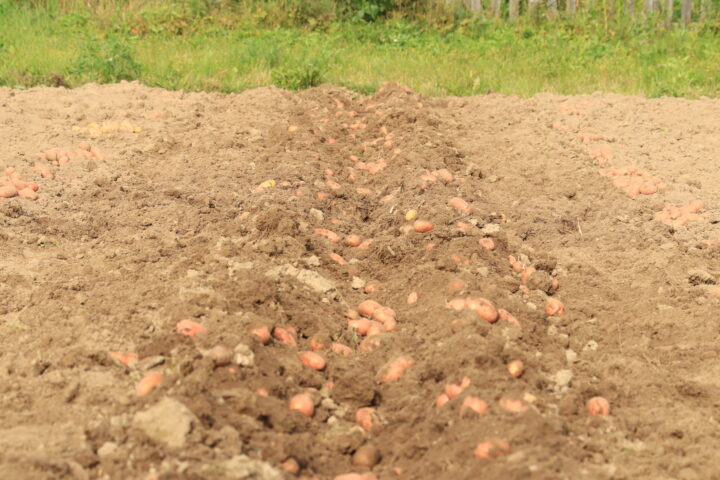
Record low potato harvest: Why is the Federal Council standing still?
The hot summer of 2026 caused the lowest potato harvest in Switzerland since records began a century ago. To secure domestic supply and build climate resilience, the agricultural sector is calling for swift access to new breeding technologies, which are already being authorized in the European Union. However, the Federal Council has delayed the corresponding draft legislation until 2027.

Legionella, Japanese beetles, and market turbulences: What are the consequences of the dry heatwave summer 2026?
How do persistent heat and drought in the summer of 2026 impact health, agriculture, and the economy? The summer of 2026 exemplifies how heat and dry conditions are becoming a threat across various areas: from cooling systems and livestock housing to crops and consumer wallets.
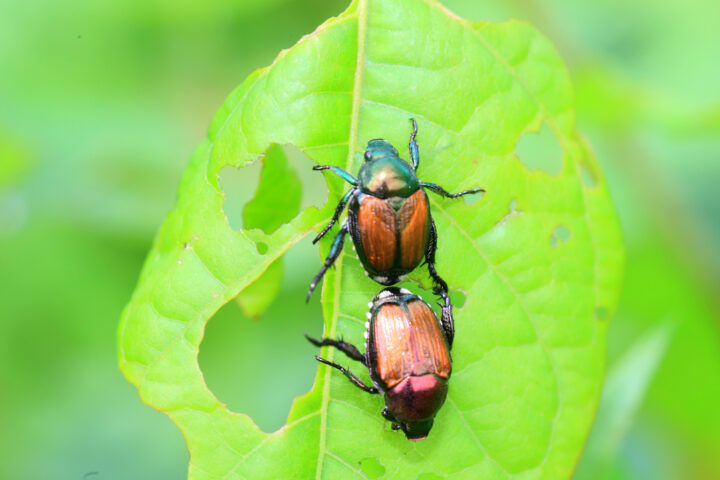
Unwanted Invaders: Why Pesticides Are Essential in the Fight Against Invasive Species
They are small, highly mobile and extremely persistent: invasive species are spreading increasingly across Switzerland. Whether it is the Japanese beetle, the Asian hornet or newly discovered ant species, these unwelcome guests threaten not only native ecosystems, but also agriculture and residential areas. There is an urgent need for pesticides – including biocides and plant protection products – to combat these pests effectively.

What can the CRISPR gene scissors do – and what not (yet)?
Since 2012, CRISPR/Cas has made it possible to alter plant DNA precisely, purposefully, and relatively cheaply. Applications ready for use today primarily include disease resistance, improved quality such as taste and nutritional value, and accelerated breeding. In contrast, complex traits like drought tolerance remain difficult because many genes are involved.