


Catastrophic wheat harvest: Bad weather and restrictions on crop protection
The reports are piling up: 2024 will go down in history as the worst wheat harvest in decades. One of Switzerland's largest grain collection centres in Thalheim an der Thur suffers a historic loss.
Published: 26.08.2024, 09:28
‘Catastrophic wheat harvest: farmers in the region harvest a third less wheat’ headlines the Landbote. In the report, which also appears in the Tages-Anzeiger, the manager of the grain collection centre in Thalheim an der Thur, Christian Blaser, says: ‘We have never had such a poor bread wheat harvest as this year’. The yield has plummeted by around a third. Some farmers have suffered a loss of up to 50 per cent. The former head of the grain collection centre, Rolf Häusler, told SRF's Tagesschau: 'A hundred years ago, that would have meant starvation. Today, this amount is simply imported.'
Problems in Germany too
The poor harvest is not limited to Switzerland. The German agricultural newspaper also reports on the poor wheat harvest in 2024. Germany, a grain-producing country, will barely be able to cover its needs this year. According to the German Raiffeisen Association (DRV), Germany is facing its worst grain harvest in years. Only in the drought year of 2018 was the yield even worse. ‘According to the DRV, the reasons for the poor result are a further reduction in acreage and lower yields per hectare. These were due to the unstable weather with heavy rainfall in some areas and a lack of warmth and sunshine. In addition, increasing restrictions on fertilisation and plant protection led to further declines in yields.’ The President of the German Farmers' Association also draws a sobering conclusion, as «cash» reports. The downward trend in grain production that has been ongoing for years has continued. He is ‘doubly disappointed’ about the 2024 harvest. In addition to the weaker results, the prices that farms can currently achieve for their grain have come under even greater pressure. ‘This is not really understandable,’ said the farmer president. This is because the harvest was also weaker in France and Spain, for example, and supplies are tight globally. The indicators therefore actually point to price stabilisation. One thing is clear: ‘As farmers, we need significantly higher producer prices again in the short term in order to be able to produce economically.’
Negative combination for farms
However, the combination of low yields and low prices is now having a negative impact on farms, as Rukwied emphasised. In addition, the operating costs for energy, for example, remain high. As a result, economic grain cultivation is hardly possible in Germany. The association also sees restrictions and requirements on the use of pesticides and fertilisers as a critical factor. Rukwied warned that politicians need to rethink this quickly. Otherwise there is a risk that more and more feed wheat will be produced instead of higher quality bread wheat.
Alarming contamination with carcinogenic fungi
The reports in the Swiss media focus mainly on the bad weather with lots of rainfall. The Tages-Anzeiger wrote: ‘Rain in autumn, rain in spring and rain at the beginning of summer. That was too much for the wheat.’ Moisture and a lack of warmth hinder growth. There is also the fungal infestation. ‘All collection centre managers describe the situation with mycotoxin contamination in wheat as bad, almost dramatic’, told «Schweizer Bauer». If the contamination with mycotoxins is too high, the wheat can no longer even be fed to the animals. The only option then is to utilise it in the biogas plant. The effort and costs involved in sowing, cultivating and harvesting the crop are not worth it. The energy costs and CO2 emissions were in vain. All that remains is the food waste. So far, 100 tonnes of wheat have had to be rejected at the Thalheim collection point due to excessive mycotoxin contamination.
Dispensing with plant protection as a danger
According to a report in the Tages-Anzeiger newspaper, Agroscope researcher Dario Fossati from the Agroscope Federal Research Centre in Changins VD also speaks of the ‘worst wheat harvest in 35 years’. The wet conditions at ear blossom led to harmful grain fungi. swiss-food.ch has already reported on the correlations. One speaks of an infestation with Fusarium. This is a genus of mould fungi that is widespread throughout the world. They cause rot, lead to crop losses and contamination of the harvested crop with toxins, so-called mycotoxins, which jeopardise human and animal health even in small quantities. The dangerous mycotoxins are carcinogenic and pose a threat to food safety. The fungal toxins can be contained with plant protection products. However, without adequate plant protection, consumption poses a risk. We finally need authorisation procedures that bring innovations in plant protection to farmers instead of preventing them – also in the interests of human and animal health.
Hoping for more resistant wheat varieties
In the Tages-Anzeiger, Fossati also points out a connection to agricultural practice. ‘If there was maize in the same place before the wheat and the soil was worked without a plough, the cereal fungus spreads more easily.’ Good agricultural practices are very important, but they are not enough: in addition to urgent authorisation and the precise use of modern plant protection products, more resistant wheat varieties could also help. To bring them to market quickly, there needs to be openness to technology and rapid authorisation procedures, including for modern breeding methods – both of which are still lacking, particularly in Switzerland and Europe. And so food waste continues to take place on the fields and in front of everyone's eyes – and food that we could actually produce here in Switzerland is imported.
Fungicide measures are needed
The poor harvest and food waste in the fields was also a topic in the swiss-food newsletter of July 2024. In addition to wheat, the potato harvest this year is also catastrophic due to late blight, which used to lead to famine. As the curative performance of all available active ingredients is limited, fungicides must be applied preventively (protectively) at the right time. This requires the utmost attention. The latest breeding methods, which utilise genes from wild potatoes, for example, could be used to combat the dangerous disease even more effectively.
Kindly note:
We, a non-native editorial team value clear and faultless communication. At times we have to prioritize speed over perfection, utilizing tools, that are still learning.
We are deepL sorry for any observed stylistic or spelling errors.
Related articles
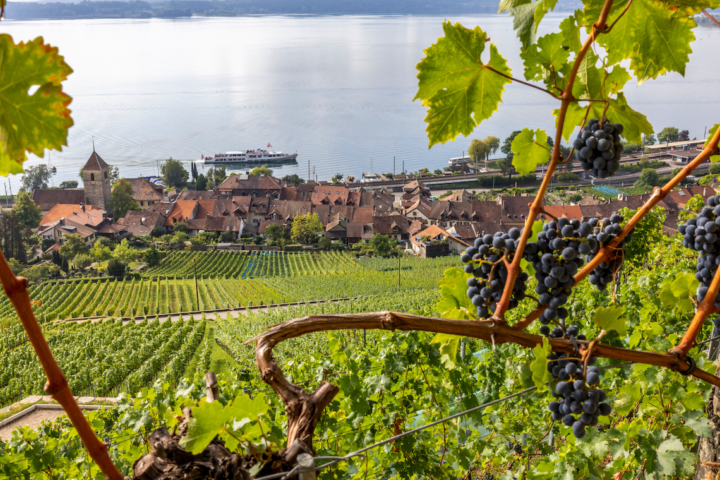
« The Bernese winegrowers spray and spray »
The heavy rainfall this summer has hit Bernese wine-makers hard and once again made it clear that crop protection is essential – especially in difficult growing years. The fact that fungal resistance also affects crop losses shows how precarious the situation is. Nevertheless, the federal government is hesitant when it comes to the authorisation of modern pesticides and new breeding technologies.
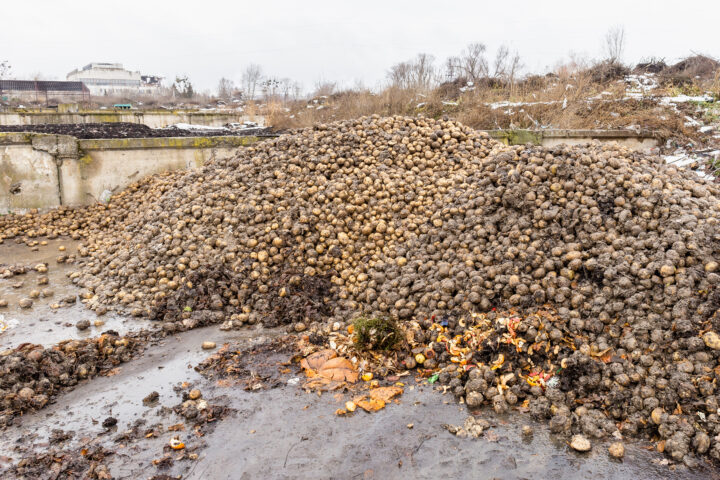
Precarious situation for potato farmers
Potato farmers in Switzerland are sounding the alarm. Due to all the rain, late blight is spreading and destroying their harvest. There is talk of disastrous conditions or a "fateful year" for Swiss potatoes. 300 hectares of potato fields have already had to be abandoned - and more could follow. In the meantime, the federal government has also drawn the first conclusions.
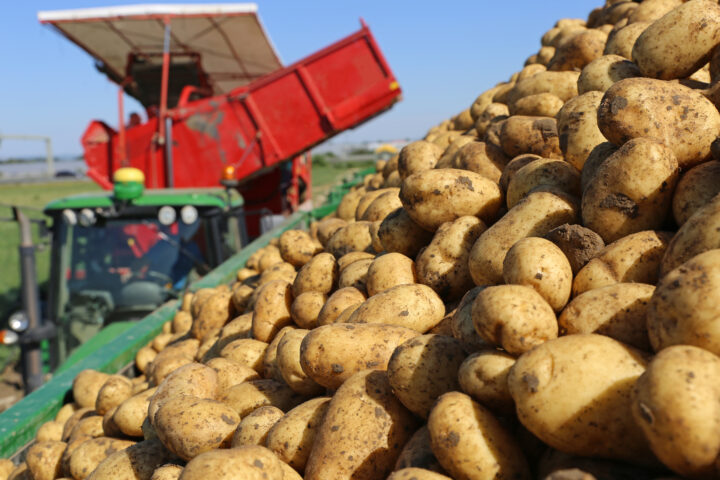
Potato farmers want robust varieties
As the use of crop protection has been massively reduced, the potato industry now wants to focus on more robust varieties. The industry has even concluded a target agreement with the federal government. This is ambitious: By 2040, robust varieties are to grow on 80% of potato cultivation areas.
Anti-Food Waste Banana
British biotech company Tropic has developed a banana using CRISPR/Cas gene editing that no longer turns brown. In the US, it is already on the market, while in England, it has passed the decisive regulatory hurdle. The same technology could also help save the world's most popular banana from extinction.
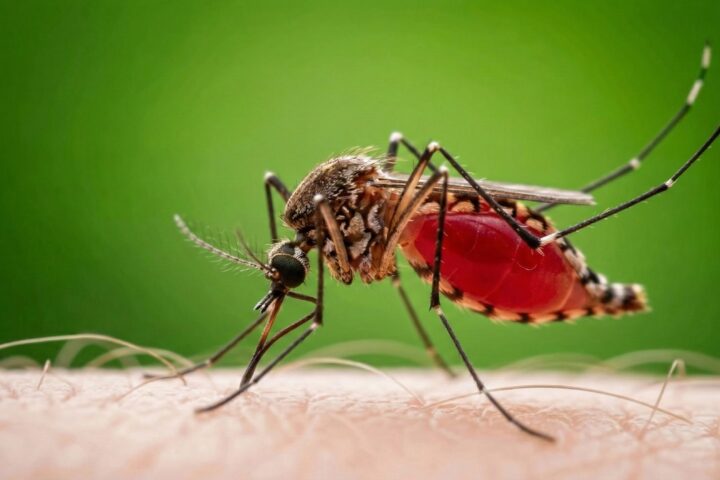
Asian Tiger Mosquito: Federal Government Implements Action Plan – But Insecticides Remain Taboo
Invasive species such as the Asian tiger mosquito are increasingly spreading across Switzerland. The federal government is sounding the alarm and wants to put a stop to the mosquito with a national action plan. However, the most effective measure is being left out: insecticides.

Record Heat 2026: Why Agriculture Needs Resilient Crop Varieties
Heat, drought, and hail took a heavy toll on Swiss farmers in 2026. In an interview with the NZZ, Adrian Aebi, head of Switzerland's largest crop insurer, warns: "If we carry on like this, agriculture will bleed dry." Looking to the future, there is an urgent need for resilient crop varieties that can withstand heat and dry conditions.
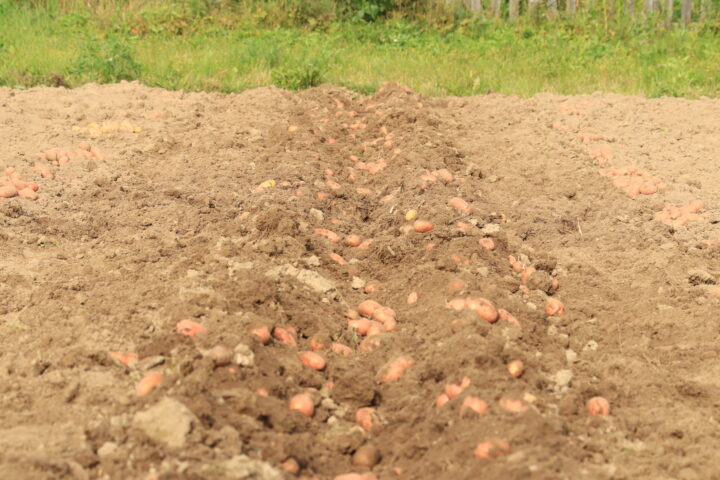
Record low potato harvest: Why is the Federal Council standing still?
The hot summer of 2026 caused the lowest potato harvest in Switzerland since records began a century ago. To secure domestic supply and build climate resilience, the agricultural sector is calling for swift access to new breeding technologies, which are already being authorized in the European Union. However, the Federal Council has delayed the corresponding draft legislation until 2027.