

Using Crispr to combat climate change
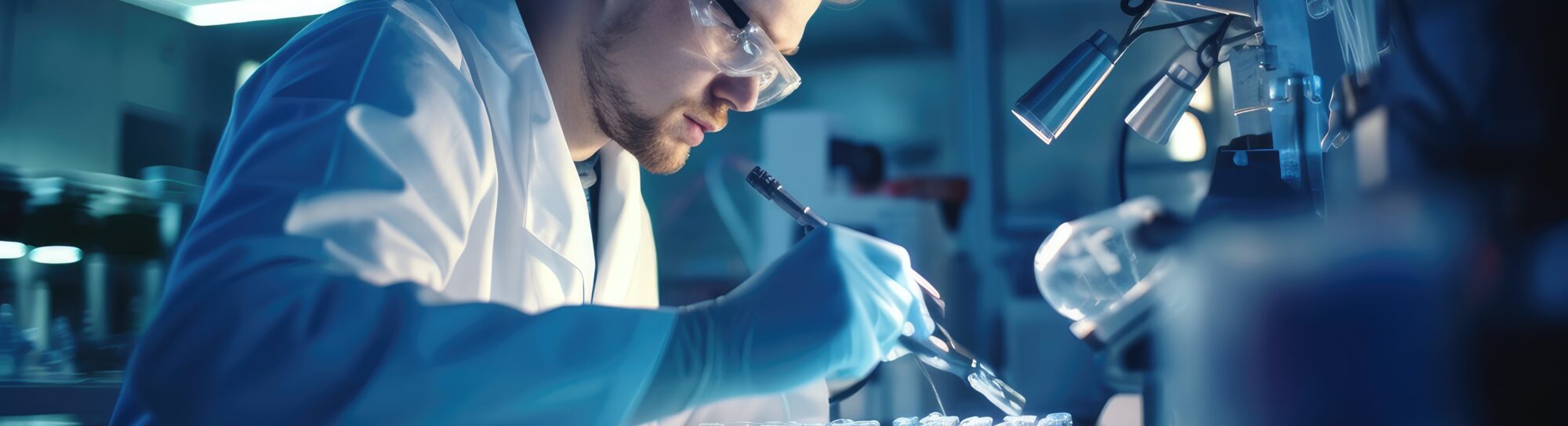
In the Tages-Anzeiger newspaper, Nobel Prize winner Jennifer Doudna talks about the opportunities and risks of gene scissors. The tool can be used to specifically treat hereditary diseases, breed drought-tolerant plants and reduce greenhouse gas emis-sions from cows.
Published: 11.12.2023, 16:00
The Crispr/Cas9 gene scissors were invented in 2012. Eight years later, the two researchers Jennifer Doudna and Emmanuelle Charpentier were awarded the Nobel Prize for their work. Where does research stand today? In an interview with the Tages-Anzeiger newspaper, Doudna says: "Crispr is being used in laboratories all over the world, not only in the fields of health, agriculture, climate change and synthetic biology, but also in diagnostics to detect coronaviruses and other diseases."
Great progress is being made in medicine. Recently, the first gene therapy using Crispr was approved in both the UK and the USA. SRF reported on this. Genome editing can be used to combat sickle cell anaemia, explains Jennifer Doudna. The hereditary disease is insidious. It is one of the most common hereditary diseases in the USA. Around 100,000 people in the USA suffer from the disease. It mainly affects black people.
Patients develop a defective form of haemoglobin - the red blood cells become sickle-shaped and block the organs. The disease is very painful for those affected. Today, treatment requires frequent blood transfusions and usually leads to early death. With the gene scissors, a way has been found to help patients. The gene scissors are used in vivo: Cells in living humans are genetically modified "in real time". After the procedure, the red blood cells are able to produce healthy haemoglobin again.
As Jennifer Doudna says in an interview, the results are promising. This optimism is evidently shared by the regulatory authorities in the UK and the USA. The biotech company "Crispr Therapeutics", based in Switzerland, is behind the new therapy. Research is being conducted in the USA. The researcher rejects interventions in the human germline. In the treatment of safe cell anaemia, the change only affects the genes of the (so-called somatic) cells of the respective patient, i.e. the blood cells and not egg and sperm cells. They are therefore not passed on to the next generation.
As swiss-food has shown in an earlier article, genome editing also offers enormous opportunities in agriculture. In an article, we presented possible Crispr applications for Swiss agriculture. For example, pesticides can be saved. At present, gene scissors are not permitted for breeding resistant varieties. It falls under the genetic engineering moratorium. However, various products bred with the gene scissors are already on the market worldwide. Doudna mentions various new cultivars with consumer and health benefits, such as tomatoes with an increased content of vitamin D or gamma-aminobutyric acid (an essential neutrotransmitter to which various health-promoting effects are attributed) and rice with additional beta-carotene. However, things have also started to move in Switzerland. Parliament has instructed the Federal Council to authorise the use of gene scissors in future. This would be an important step for plant breeding.
Jennifer Doudna says in an interview with the Tages-Anzeiger: "I am particularly enthusiastic about plants that help farmers adapt to climate change by being more drought-tolerant and absorbing more carbon from the atmosphere. Crispr can help us combat climate change." There are also projects to support and improve animal health. And Doudna explains that researchers at the Innovative Genomics Institute are investigating whether Crispr can be used to change the microbiome in the stomachs of cows so that they emit less methane.
Sources
Kindly note:
We, a non-native editorial team value clear and faultless communication. At times we have to prioritize speed over perfection, utilizing tools, that are still learning.
We are deepL sorry for any observed stylistic or spelling errors.
Related articles
Anti-Food Waste Banana
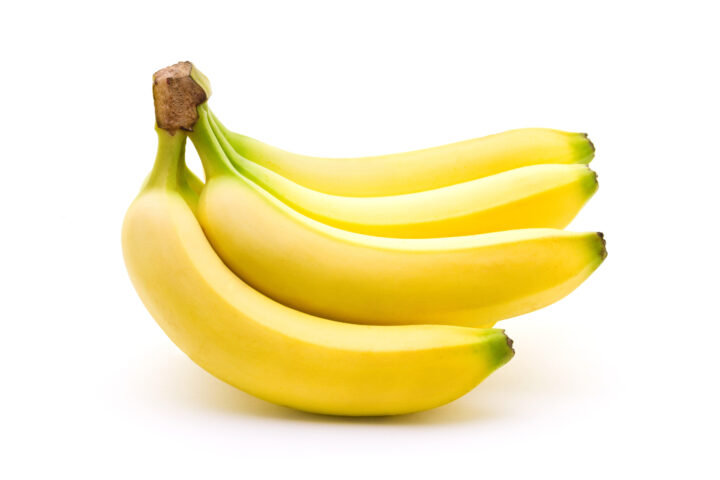
British biotech company Tropic has developed a banana using CRISPR/Cas gene editing that no longer turns brown. In the US, it is already on the market, while in England, it has passed the decisive regulatory hurdle. The same technology could also help save the world's most popular banana from extinction.
Asian Tiger Mosquito: Federal Government Implements Action Plan – But Insecticides Remain Taboo
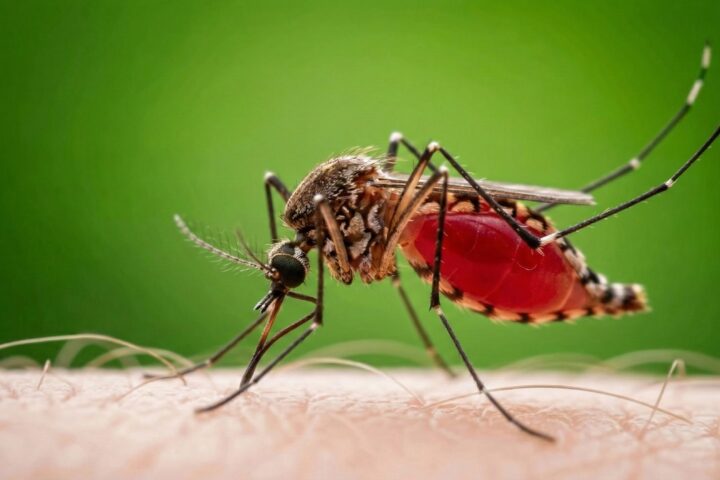
Invasive species such as the Asian tiger mosquito are increasingly spreading across Switzerland. The federal government is sounding the alarm and wants to put a stop to the mosquito with a national action plan. However, the most effective measure is being left out: insecticides.

Record Heat 2026: Why Agriculture Needs Resilient Crop Varieties
Heat, drought, and hail took a heavy toll on Swiss farmers in 2026. In an interview with the NZZ, Adrian Aebi, head of Switzerland's largest crop insurer, warns: "If we carry on like this, agriculture will bleed dry." Looking to the future, there is an urgent need for resilient crop varieties that can withstand heat and dry conditions.
Record low potato harvest: Why is the Federal Council standing still?
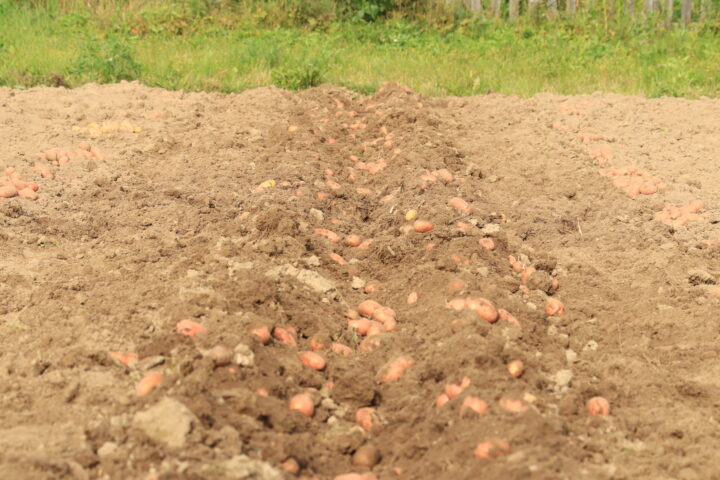
The hot summer of 2026 caused the lowest potato harvest in Switzerland since records began a century ago. To secure domestic supply and build climate resilience, the agricultural sector is calling for swift access to new breeding technologies, which are already being authorized in the European Union. However, the Federal Council has delayed the corresponding draft legislation until 2027.